The Masterminds Behind TV's Most Daring Comedy Experiment
Jury Duty co-creator Lee Eisenberg and executive producer Nicholas Hatton have created something truly unprecedented in television: a show that successfully blurs the lines between reality TV, improv, and scripted storytelling. In a recent video interview, the duo opened up about how they pulled off their Emmy-nominated comedy that has become one of streaming's most inventive experiments.
The show's first season captivated audiences with its unique "scripted-reality hybrid format," positioning it as a standout example of comedy innovation at a time when viewers are hungry for fresh approaches to entertainment.
From Courtroom to Corporate Retreat: Evolution of a Format
According to reports, the creators have expanded their formula beyond the original courtroom setting. The follow-up, Jury Duty Presents: Company Retreat, takes the concept to new heights with a "bigger-scale" approach built around an unwitting temp hire at a fake hot sauce company retreat.
This evolution demonstrates how the creators are pushing the boundaries of their original concept while maintaining the core elements that made the first season such a viral sensation.
The High-Wire Act of Hidden-Camera Television
What sets Jury Duty apart from traditional hidden-camera shows is its sophisticated approach to logistics and production. The interview reveals insights into what the creators describe as "high-wire act television," highlighting the complex behind-the-scenes work required to make their concept successful.
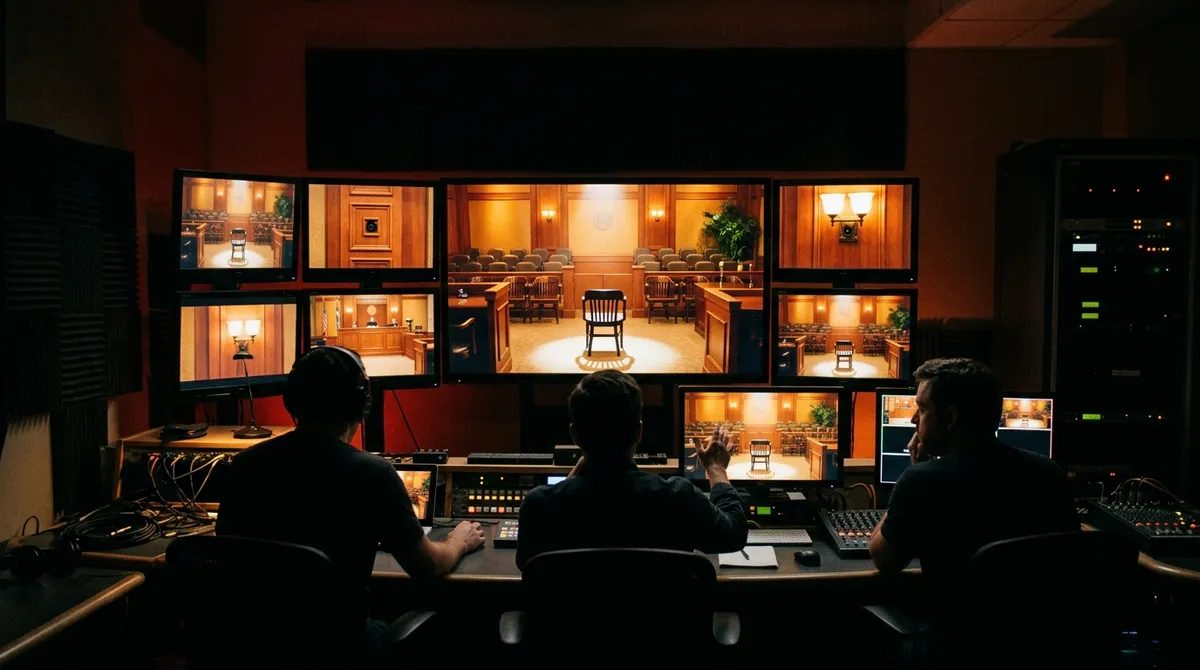
According to reports, the production involves an impressive technical setup with 48 hidden cameras and a secret control room, showcasing the elaborate infrastructure needed to capture authentic reactions while maintaining the illusion.
Casting: The Make-or-Break Element
One of the most critical aspects discussed in the interview is the casting process, particularly finding the "real person" at the center of each scenario. The creators emphasize that this casting choice essentially determines the success of the entire show, making it perhaps the most crucial decision in their production process.
This focus on casting highlights the unique challenges facing creators working in this scripted-reality hybrid space, where authentic human reactions drive the comedy.
Emmy Recognition and Industry Impact
The first season's Emmy nomination validates the show's innovative approach and signals industry recognition for this new format. The nomination comes at a time when traditional comedy formats are being reimagined across streaming platforms.
With audiences increasingly drawn to content that feels both authentic and entertaining, Jury Duty has positioned itself at the forefront of a potential trend in comedy programming.
Looking Ahead: The Future of Scripted-Reality
With a third season already renewed, the Jury Duty franchise appears to be establishing itself as more than just a one-off experiment. The creators' success suggests there's significant appetite for this type of hybrid storytelling that combines the unpredictability of reality TV with the structure of scripted comedy.
The interview provides valuable insights into how creators are navigating the ethical considerations and logistical challenges of this format while delivering entertainment that resonates with modern audiences.
A New Template for Comedy Innovation
As streaming platforms continue to seek original content that can break through the noise, Jury Duty represents a potential template for future comedy innovation. The show's success demonstrates that audiences are ready for formats that challenge traditional boundaries between scripted and unscripted content.
The creators' approach to maintaining suspense while managing the complex logistics of hidden-camera production offers a blueprint for other creators looking to experiment with similar hybrid formats in the evolving television landscape.