Corporate Giants Reverse Course on Viral Content
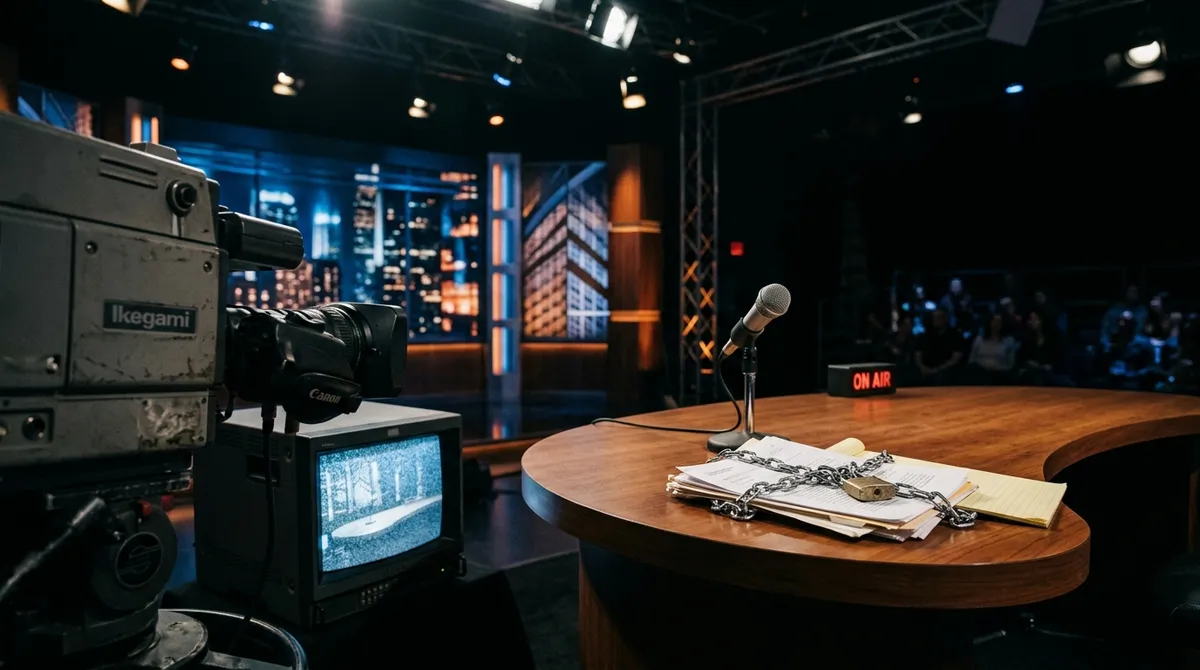
CBS and Paramount have backed down from copyright challenges that had previously limited distribution of Stephen Colbert's viral appearance on a Michigan cable access show. The reversal comes as Colbert wrapped up his final week as host of "The Late Show" on Friday, according to reports.
The controversy began when the corporate giants initially moved to restrict distribution of Colbert's cable access appearance, which had gained significant viral traction online. However, facing mounting attention around the clip and Colbert's departure from late-night television, the companies ultimately chose to reverse their copyright enforcement actions.
The Viral Moment That Started It All
The Michigan cable access show appearance that sparked the copyright dispute became a viral sensation, though the specific details of what made it resonate so strongly with audiences highlight the unpredictable nature of internet culture. According to reports, the parody format struck a chord with viewers, leading to widespread sharing and discussion across social media platforms.
The incident underscores ongoing tensions between traditional media companies and the viral clip culture that dominates modern entertainment consumption. While networks have historically maintained strict control over their content distribution, the internet age has created new challenges around fair use, parody rights, and audience expectations for content accessibility.
Copyright Battles in the Digital Age
The CBS and Paramount copyright challenges reflect broader industry struggles with managing viral content. When clips gain unexpected popularity online, media companies often face difficult decisions about whether to embrace the free publicity or protect their intellectual property through takedown actions.
This particular case taps into ongoing debates over fair use protections, especially when it comes to parody content. The reversal suggests that the companies ultimately determined that allowing the viral clip to continue circulating served their interests better than pursuing copyright enforcement.
Colbert's Late-Night Legacy
Colbert's exit from "The Late Show" has heightened attention around his career and influence on late-night television. The timing of the copyright reversal during his final week as host adds another layer to discussions about his legacy and impact on comedy and political commentary.
The incident also highlights how Colbert's brand extends beyond his official hosting duties, with his appearances on other platforms continuing to generate significant audience engagement and viral moments.
Changing Landscape of Television Control
The copyright reversal represents a notable shift in how traditional television networks approach viral content management. Where companies once might have aggressively pursued takedown actions to maintain control over their intellectual property, the CBS and Paramount decision suggests a more nuanced approach that considers the broader cultural impact and audience response.
This evolution reflects the changing relationship between old-school TV control mechanisms and internet clip culture, where audience sharing and remixing have become fundamental aspects of how content gains popularity and cultural relevance.
Industry Implications
The case may signal broader changes in how media companies balance copyright protection with viral marketing opportunities. As traditional television continues to compete with digital platforms and social media for audience attention, the ability to generate organic viral moments becomes increasingly valuable.
The reversal also demonstrates how public attention and fan response can influence corporate decision-making around content distribution. The heightened focus on Colbert's departure likely contributed to the companies' choice to step back from their initial copyright enforcement position.
Looking Forward
As the entertainment industry continues to navigate the intersection of traditional media and internet culture, the CBS and Paramount reversal may serve as a case study for future copyright disputes involving viral content. The incident illustrates how companies must weigh multiple factors, including audience sentiment, fair use considerations, and broader cultural impact, when deciding how aggressively to pursue content protection.
The resolution of this particular copyright challenge, coinciding with Colbert's transition away from "The Late Show," marks another chapter in the ongoing evolution of how media companies manage their content in an increasingly connected and sharing-focused digital landscape.