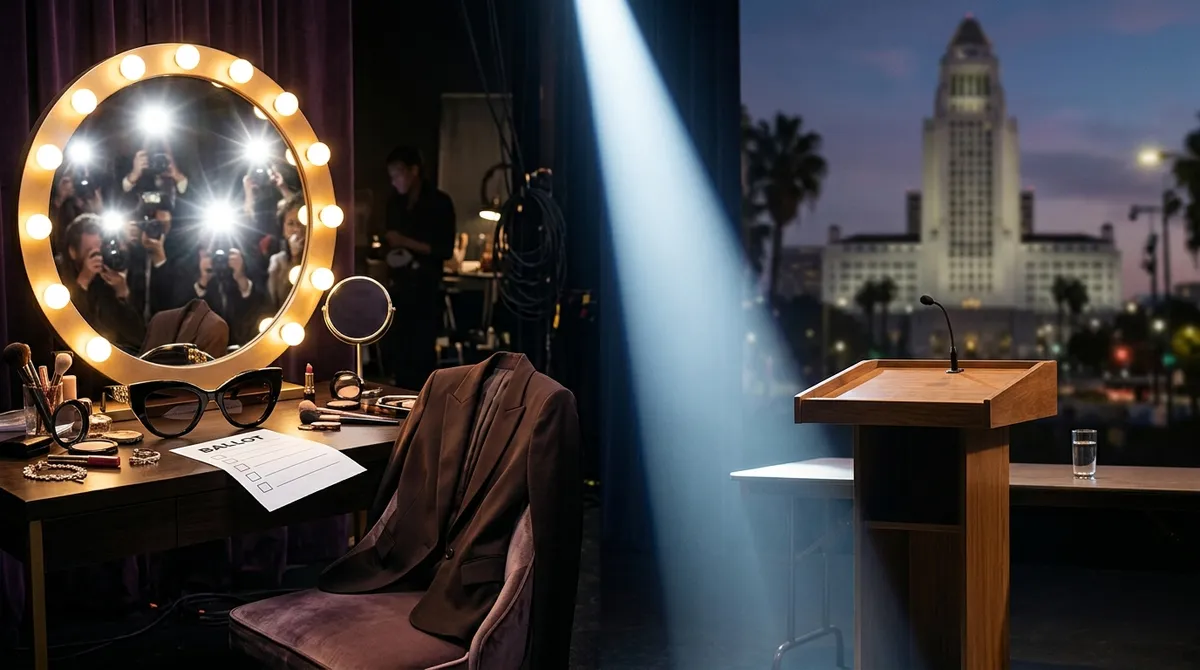
Reality TV Star Takes Stand Against Celebrity Politics
Reality TV veteran Lisa Rinna has publicly declared she won't be casting her vote for Spencer Pratt in his Los Angeles mayoral campaign, raising questions about the qualifications needed for political leadership in the entertainment capital.
According to reports, Rinna's comments center on the argument that reality TV fame doesn't automatically qualify someone for political office. Her stance represents a notable pushback against the growing trend of entertainment figures transitioning into politics.
Celebrity Endorsements Draw Attention to Campaign
Pratt's mayoral bid has gained significant traction thanks to high-profile endorsements from influential figures including Joe Rogan, former President Donald Trump, and Paris Hilton. These endorsements have thrust the campaign into the spotlight, making it a topic of discussion across social media and entertainment circles.
The endorsement lineup signals a particular approach to celebrity politics that has become increasingly common in recent years. The combination of podcast influence, political backing, and Hollywood connections creates a unique campaign dynamic that reflects broader changes in how public figures approach political involvement.
The Reality TV to Politics Pipeline
Rinna's opposition taps into growing concerns about what some see as fatigue around entertainers and reality stars moving into public office. Her comments suggest a distinction between entertainment value and electoral qualifications that resonates with audiences questioning the celebrity-to-politics trend.
The phenomenon of reality TV personalities seeking political office has become more normalized since the Trump era, when entertainment fame began to be viewed as a potential qualification for leadership roles rather than a potential disqualifier.
Commentary on Fame and Electability
The situation highlights an evolving conversation about the relationship between being entertaining and being electable. According to reports, the strongest angle for understanding this controversy lies in examining how "being entertaining" and "being electable" are no longer separate categories in modern politics.
Rinna's position essentially argues against the idea that reality TV success translates to governing capability. Her stance can be interpreted as a "you wouldn't want me as mayor" moment, where she acknowledges her own entertainment background while questioning its relevance to political leadership.
Broader Political Implications
The debate over Pratt's candidacy reflects larger questions about celebrity influence in politics and the post-Trump celebrity candidate playbook. The endorsement strategy and public response demonstrate how entertainment figures can leverage their platforms and connections to build political momentum.
This particular campaign exemplifies the intersection of social media influence, traditional celebrity endorsements, and political ambition that characterizes modern celebrity political campaigns. The combination of podcast endorsements, Hollywood connections, and reality TV fame creates a unique political cocktail.
Cultural Impact and Audience Response
The controversy has resonated particularly with heavy streamers and social media users, who are familiar with both Rinna's and Pratt's entertainment careers. The discussion has generated significant online engagement, reflecting broader cultural conversations about the role of entertainment figures in serious political discourse.
According to reports, the situation presents an opportunity for commentary on reality TV's political influence and whether celebrity candidates represent a genuine trend or potential threat to traditional political processes.
Looking Forward
As Pratt's campaign continues to develop, Rinna's opposition serves as a counterpoint to the celebrity endorsements driving his visibility. Her stance represents a perspective that questions whether entertainment success should be considered a pathway to political office.
The debate touches on fundamental questions about democratic representation and the qualifications voters should expect from their elected officials. Whether Rinna's position will influence other entertainment figures or voters remains to be seen as the campaign progresses.