Strange Statistics Reveal Cinema's Representation Problem
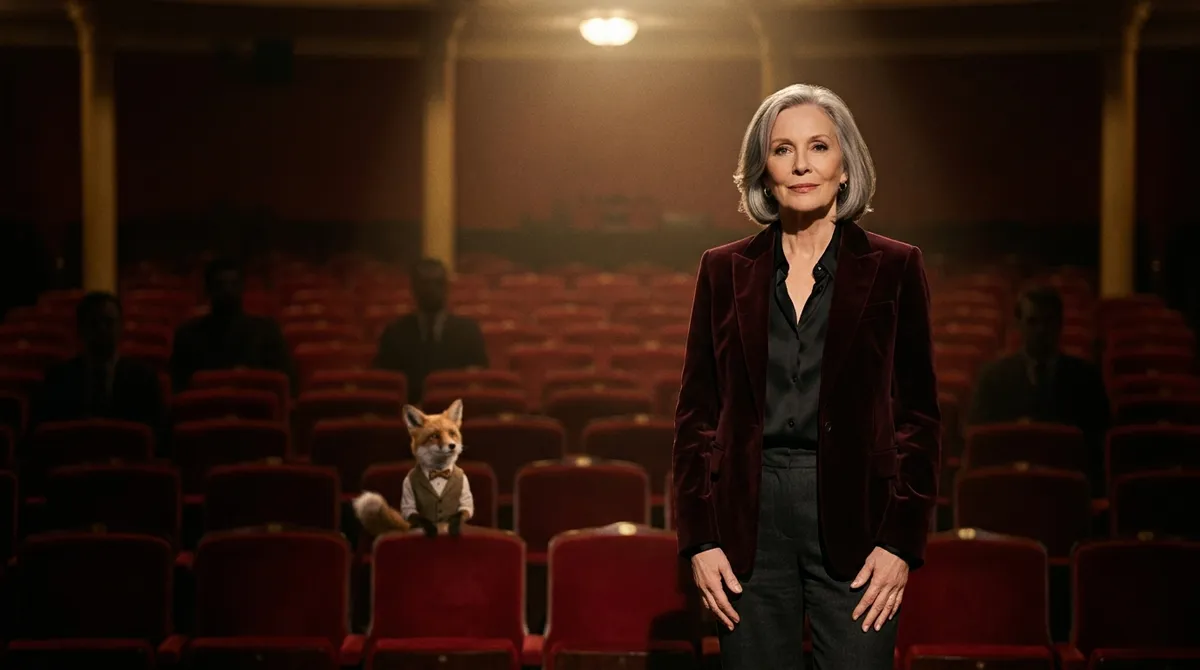
A new analysis from the Centre for Aging Better has uncovered a bizarre yet telling statistic about UK cinema: top-grossing films in the country are more likely to feature an actor named Chris or a talking animal as the lead character than a woman over the age of 60.
The findings highlight what researchers describe as dramatic underrepresentation of older women in mainstream cinema, despite this demographic being compelling, relatable, and culturally present in society.
The Absurd Numbers Game
The comparison between actors named Chris, talking animals, and women over 60 serves as a stark illustration of Hollywood's casting priorities. According to reports, this unusual metric demonstrates how the film industry continues to sideline older female voices while greenflighting projects centered around male stars or animated characters.
The analysis comes at a time when the entertainment industry faces ongoing scrutiny over representation on screen, with advocates pushing for more diverse and age-inclusive storytelling.
Industry Backing for Change
High-profile actors, including Emma Thompson, have thrown their support behind campaigns addressing ageism in cinema. Thompson's involvement brings significant star power to the movement calling for cinema to catch up with reality and better reflect the diversity of audiences.
The campaign argues that the film industry is missing out on compelling storytelling opportunities by consistently overlooking women over 60 as lead characters. These advocates suggest that Hollywood's reluctance to center older women represents both a creative and commercial oversight.
Broader Anti-Ageism Movement
These findings emerge amid a broader push against ageism across various industries. The entertainment sector, in particular, has come under fire for its treatment of aging actors, especially women, who often find fewer substantial roles available as they grow older.
The Centre for Aging Better's analysis provides concrete data to support what many in the industry have long observed: that age and gender create a double barrier for women seeking leading roles in major productions.
Box Office Potential Overlooked
Advocates argue that there's an untapped box office case for centering women over 60 in films. They suggest that audiences are hungry for diverse stories that reflect the full spectrum of human experience, including the perspectives and experiences of older women.
The research implies that studios may be leaving money on the table by consistently choosing to fund projects featuring younger male leads or animated characters over stories centered on older female protagonists.
A Call for Industry Reflection
The talking animals metric, while seemingly humorous, serves as a revealing benchmark for how the industry prioritizes different types of characters. It suggests that studios are more willing to invest in fantastical stories featuring non-human characters than in realistic narratives showcasing the experiences of older women.
This data point has created what advocates hope will be a shareable and memorable way to discuss the serious issue of representation in cinema. The absurd nature of the comparison - that Chris actors and talking animals both outrank older women - makes the disparity impossible to ignore.
Moving Forward
The Centre for Aging Better's findings provide creators and industry professionals with concrete evidence to support arguments for more inclusive casting and storytelling. As conversations around representation continue to evolve, this analysis offers a unique and memorable framework for discussing whose stories get told and funded in mainstream cinema.
With backing from established stars and growing awareness of representation issues, advocates hope this data will spark meaningful conversations about casting decisions, audience demand, and the untapped storytelling power of women over 60 in the film industry.