From Gothic Drama to Rock Star Mythology
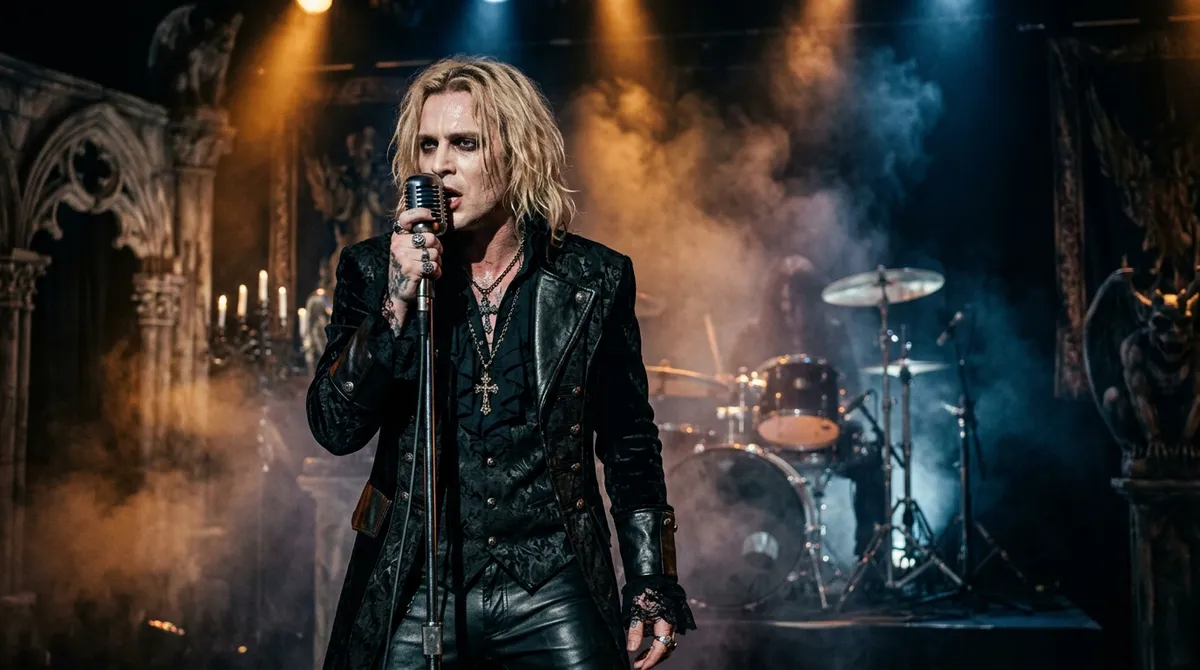
AMC's "Interview with the Vampire" is taking a dramatic turn for its third season, transforming into what's being described as a vampire rock opera. According to reports, "The Vampire Lestat" represents a major reinvention of the series, shifting from the introspective storytelling of previous seasons to a theatrical, music-led character spectacle.
The show is moving away from its previous focus on memory, trauma, and confession to embrace what sources describe as "ego, performance, and rock-star mythmaking." This pivot positions the third season as the series' boldest creative decision yet, turning Anne Rice's vampire mythology into something entirely different.
Music as Storytelling Device
At the heart of this transformation is the expanded role of composer and co-writer Daniel Hart, who has moved from traditional scoring into the writers' room. According to reports, Hart's music is now shaping not just the soundtrack but the writing, performances, costumes, and production design of the entire season.
The integration of rock music serves a dual purpose in the narrative structure. Reports indicate that Lestat's music functions both as a plot device and as a window into his character psychology, offering viewers insight into his unreliable version of events as he tells his own story.
Visual and Performance Evolution
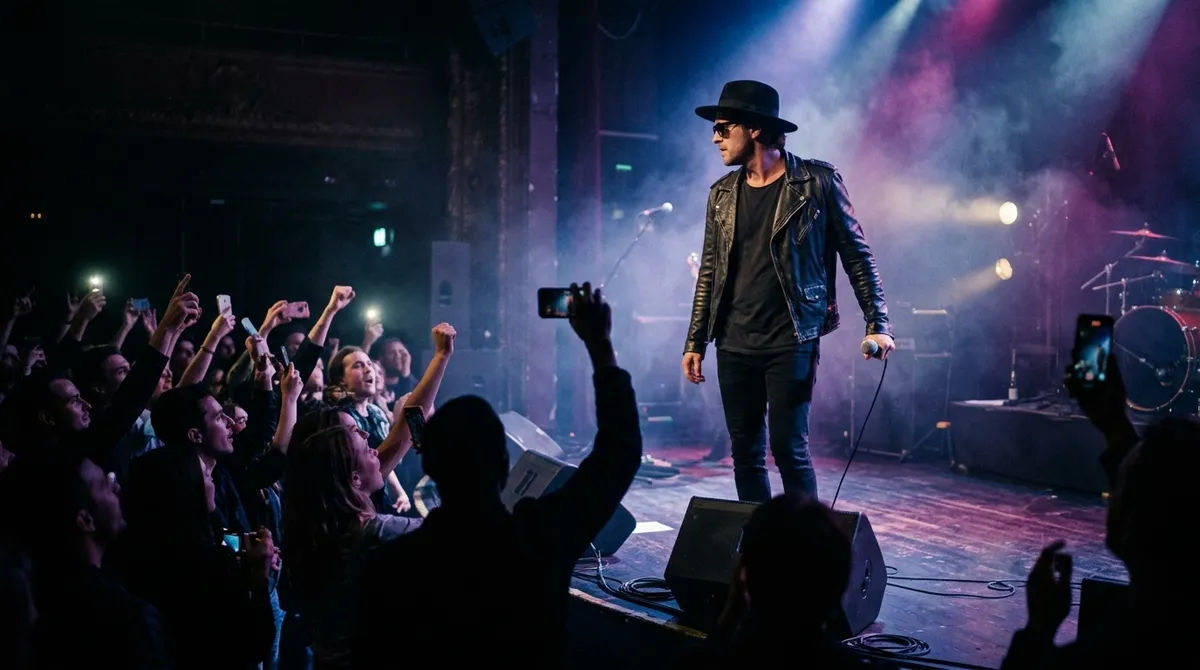
The shift to Lestat's perspective brings significant changes to the show's visual language. According to sources, season 3 will feature diverse settings ranging from French chateaus to modern rock clubs, reflecting the character's journey from aristocratic vampire to rock star.
Sam Reid's transformation into "Lestat the rock star" represents a major evolution for both the character and the actor's performance. The rock opera format allows the show to explore Lestat's theatrical nature and his relationship with performance and celebrity.
Building Anticipation
The reimagined approach is already generating significant buzz among fans of the series. Reports indicate that teaser drops, casting reveals, and song releases are building anticipation for what promises to be a dramatically different viewing experience from the previous seasons.
This strategic shift demonstrates how established television series can reinvent themselves while maintaining their core mythology. By positioning music as central to both plot and character development, "The Vampire Lestat" is attempting to create a unique hybrid of traditional vampire drama and musical storytelling.
Creative Risk and Reward
The decision to transform the series into a rock opera represents a significant creative risk. Moving from the gothic, introspective tone of earlier seasons to a music-driven format could alienate some existing fans while potentially attracting new audiences drawn to the show's bold new direction.
According to reports, the creative team is using Lestat's naturally theatrical personality as the foundation for this musical transformation. His ego and love of performance provide narrative justification for the show's new format, making the rock opera elements feel organic to the character rather than imposed by external creative decisions.
The upcoming season promises to explore how music can serve as both entertainment and character study, using Lestat's songs to reveal his motivations, desires, and psychological complexities. This approach suggests that "The Vampire Lestat" will offer viewers both spectacle and substance, combining the visual and auditory excitement of a rock concert with the character depth that has made the series successful.
As the series prepares for its most ambitious season yet, it remains to be seen whether this dramatic reinvention will resonate with audiences and critics. The transformation from gothic drama to vampire rock opera represents one of the most significant format changes attempted by a successful television series in recent memory.